
The way we work has become almost unrecognizable in recent years, with digital innovation, shifting attitudes, and new market forces rewriting the game’s rules. With more teams working from home or splitting their time between the office and remote locations, businesses are scrambling to figure out how to optimize their physical spaces while still supporting the people who work there.
Is your team held back by traditional office setups? Say goodbye to rigid office layouts and hello to a flexible alternative: office hoteling. This setup could be the answer you’ve been searching for. Here’s the lowdown on how it works and why it might just be the business boost you need.
What is Office Hoteling?
By planning ahead, office hoteling lets workers snag the perfect spot to focus, meet, or brainstorm — just like booking a comfy hotel room for a productive stay. This setup makes room for any scenario, from chaotic mornings to focused afternoons, abolishing static workstations for a more energetic, modern workplace.
The concept operates through a hoteling system to ensure a smooth process. Employees have the power to shape their workday: scan the available offices, grab a spot that works for them, and transform it into a hub of productivity. Say goodbye to cubicle farms and hello to a workplace that pulses with life. That’s what office hoteling is all about. With its focus on efficiency, office hoteling reduces wasted space, enhances space availability, and promotes a more engaging and collaborative workplace culture.
How Office Hoteling Differs from Hot Desking
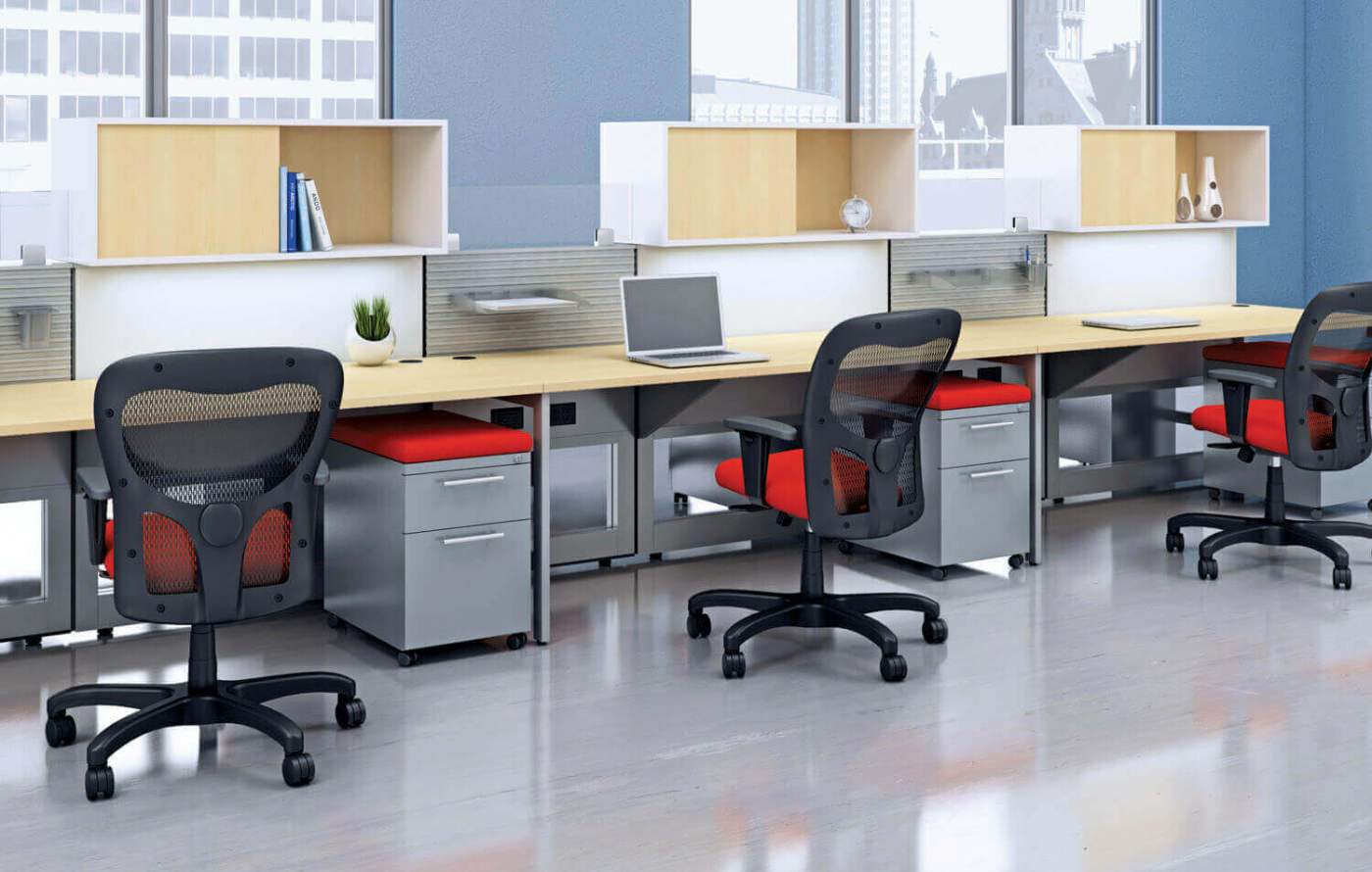
While hoteling office space and hot desking support flexible work arrangements, they operate quite differently. Office hoteling offers a structured approach where employees can reserve a specific desk or workstation in advance. This method ensures they have a designated spot tailored to their needs.
On the other hand, hot desking operates on a first-served basis, where employees claim any available desk upon arrival. While hot desking can be convenient for last-minute needs, it often leads to challenges such as difficulty finding an appropriate quiet space or the right collaborative spaces.
The structured nature of office hoteling reduces stress and unpredictability, which are common concerns with hot desking. Employees benefit from knowing their workspace is ready and suited to their preferences. Today’s workplace craves a synthesis of adaptability and structure.
Benefits of Office Hoteling
By adopting office hoteling, you can transform your workspace into a hub of productivity, but that’s just the tip of the iceberg — there are many more advantages to explore. When companies adopt this model, they’re essentially killing two birds with one stone: employee morale gets a lift, and operations become more seamless.
Improved Employee Empowerment and Engagement
What if you could call the shots on your work setup? Office hoteling makes this possible, and as a result, workers report higher job satisfaction and a greater sense of accomplishment. Employees can customize their workspace by booking a quiet spot for solo projects or a shared area for team brainstorms. The more choices they have, the more invested people become in their workspace. It’s like putting their personal stamp on the environment.
The flexibility that office hoteling offers also supports better work-life balance. Employees are not confined to permanent desks or rigid schedules. Instead, they can work from home when needed and book an office space for tasks that require face-to-face collaboration. When we adapt to the needs of our team members, we create a dynamic workplace culture that hums with energy — a culture that yields top-notch results because everyone is operating in their comfort zone.
Increased Productivity and Collaboration in Shared Office Space
Collaboration is vital in today’s fast-paced business world. Office hoteling promotes this through smart workspace allocation. Teams can reserve collaborative conference rooms, meeting rooms, or even shared workspaces to work together. Whether it’s a weekly brainstorming session or a one-off planning meeting, the flexibility to book these spaces improves coordination and teamwork.
At the same time, office space hoteling supports individual productivity. Employees who need to concentrate on complex tasks can choose quiet spaces to avoid distractions. This adaptability fosters a collaborative environment while ensuring everyone has the resources to work efficiently. Employees who feel connected to their colleagues and supported by their surroundings are more likely to thrive and contribute meaningfully to the organization.
Cost Savings on Office Square Footage
One of the most significant advantages of office hoteling is its ability to reduce real estate costs. Traditional office setups with assigned desks often lead to wasted space, especially when employees work remotely part of the time. Businesses can optimize space usage when implementing office hoteling, minimizing the need for extensive office real estate.
This model also allows companies to allocate more office space for shared areas like collaborative spaces or relaxation zones. Businesses can scale their office footprint according to their needs without costly renovations or expansions. For organizations focused on financial efficiency and sustainability, office hoteling offers a practical way to save money while maintaining a productive and engaging work environment.
Efficient Use of Office Resources
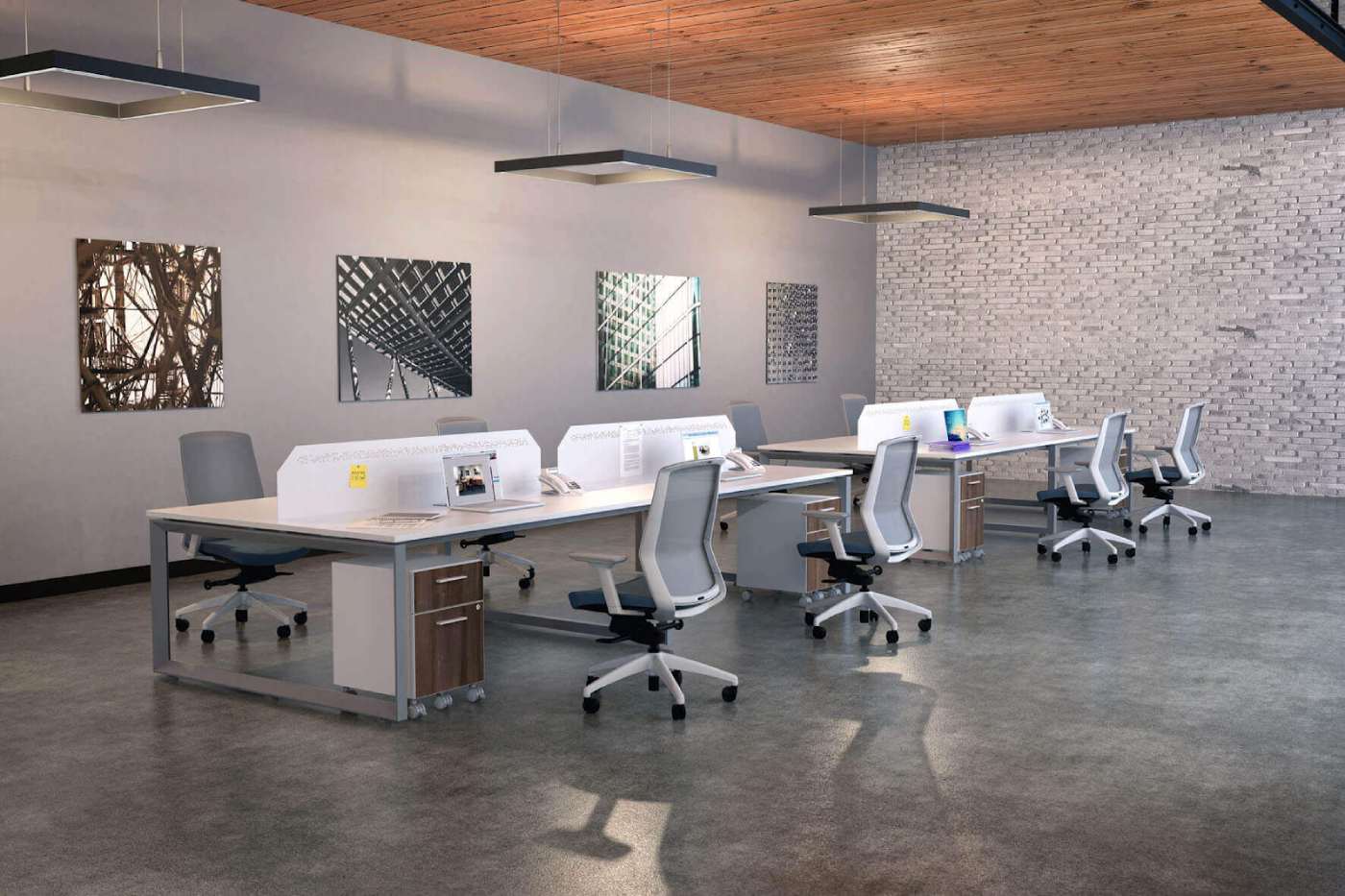
Efficiency is the backbone of any thriving business, and one of the key benefits of office hoteling is that it excels at maximizing the potential of both physical and human resources. Companies can create a more streamlined and productive office environment by prioritizing thoughtful workspace usage.
Smoother Visitor Management in Hoteling Office Space
Visitors, whether they are clients, consultants, or potential partners, deserve a seamless experience when they walk through your doors. With office hoteling software, employees can reserve workspaces or meeting rooms in advance for their guests, ensuring the space is ready and suitable for their needs. This proactive approach eliminates last-minute scrambles to find an available area, saving time and reducing stress.
Integrated features such as digital maps and step-by-step navigation further enhance the visitor experience. A sensible floor plan makes all the difference in the world — guests can move freely between conference rooms, restrooms, and the cafeteria. That flow translates to a crisp, professional atmosphere.
Businesses can breathe a sigh of relief as office hoteling software steps in to synchronize with security systems, making visitor access a whole lot smoother. Companies are getting smart about streamlining, and it shows.
Consistency Across Satellite Offices
Maintaining a cohesive and efficient workspace strategy for companies with multiple locations can be challenging. Office hoteling provides a unified approach that ensures employees have a consistent experience regardless of the office they visit. Whether an employee travels to a regional hub or a satellite location, they can use the same hoteling system for desk booking, reserve workstations, or book a meeting room.
With everything running smoothly, staff can focus on the job at hand, untethered from the anxiety of coping with unexpected changes to procedures or layouts. Whether you’re working in a home office or a global headquarters, maintaining a consistent brand helps knit together a fragmented workforce into a tight-knit community. With office hoteling, the unified data piling up in one place gives leaders the leverage they need to scrutinize how space is being used, making it easier to divvy up resources across the board.
Is Office Hoteling Right for Your Business?
The success of office hoteling depends on how well it aligns with your business needs and goals. Switching to a flexible model demands careful consideration. Examine your organization’s current state and ask if this approach fits your business perfectly.
Assessing Your Business Needs and Office Space Requirements
Evaluating your existing office spaces is the first step to deciding if office hoteling is workable. Consider whether your current layout is being used efficiently. Are desks or office tables often empty due to remote work, leaving wasted space? Or are your employees struggling to find a quiet corner or collaborative space when they come into the office?
Next, assess the preferences and work styles of your team. Do they need a mix of individual and shared spaces? Would the flexibility of reserved desks or the ability to book collaborative conference rooms improve their experience? Understanding these dynamics helps determine whether a desk hoteling approach aligns with your team’s productivity and satisfaction.
Finally, think about your long-term goals. If reducing real estate costs, increasing employee satisfaction, and supporting hybrid work models are part of your strategy, office hoteling could be a valuable tool.
Benefits for Specific Businesses and Industries
Any business pursuing a more flexible, collaborative, and innovative atmosphere will likely discover office hoteling is the right choice, if not an essential tool, for their desired work environment.
- Tech teams thrive in environments where friendships foster ingenious solutions. We’re talking workspaces where brainstorming sessions combine seamlessly, and those ‘aha’ moments happen frequently. With dynamic workspace allocation, the lines between solo work and team sessions blur, freeing employees to flow between the two.
- Office hoteling supports seamless scheduling and resource sharing in healthcare organizations, where mobile staff and cross-functional teams are common. Teams can book meeting rooms or reserved desks at different locations, ensuring smooth coordination and patient care.
- Finance teams also benefit from the flexibility of office hoteling. Dropping the need for permanent desks frees up serious cash for firms, which they can then use to build a workspace that’s both polished and productive. Departments can literally come together in shared workspaces and conference rooms, forging a unified front when it’s time to hammer out financial strategies.
We’ve entered an era where “cube farms” and static workstations are out, and agile, adaptive spaces are in. Hoteling helps by optimizing room usage, triggering active employee participation, and slashing excess overhead.
Hoteling Office Space for the Win
The advantages of office hoteling are undeniable, from enhanced employee engagement to lower real estate costs. However, the right office furniture plays a crucial role in making this model work. Your workplace can support any configuration with adaptable designs like custom office furniture, functional office chairs, versatile office tables, and sleek office storage furniture.
If you’re ready to transform your office, visit Office Furniture Solutions today. With everything from office cubicles for sale to innovative office partition walls, we have what you need to create a thriving, flexible workplace. Let us help you take the first step toward a more dynamic, modern office.
Ready to make the switch? Shop our office furniture store and see the difference!